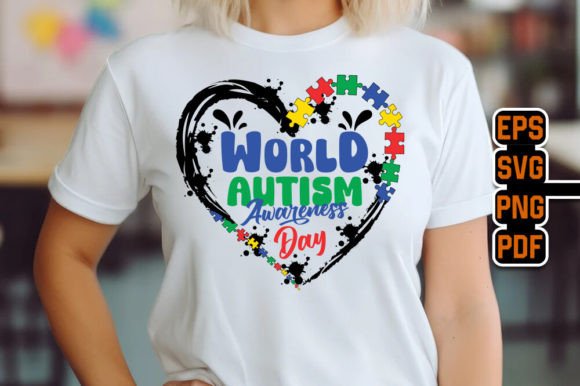
World Autism Awareness Day Heart Graphic Review
As a brand designer who has spent years curating visual identities for small businesses and content creators, I know that the difference between a campaign that resonates and one that gets scrolled past often comes down to a single element. Recently, while assembling a content kit for a client launching a supportive community initiative, I came across the World Autism Awareness Day Heart Graphic. This asset immediately caught my eye not just for its subject matter, but for its potential to anchor a cohesive visual strategy. In the world of digital marketing, where attention spans are fleeting, choosing the right graphic design asset is critical. This review explores how this specific heart illustration functions within real-world branding scenarios, from social media posts to merchandise.
First Impressions: Mood and Emotional Resonance
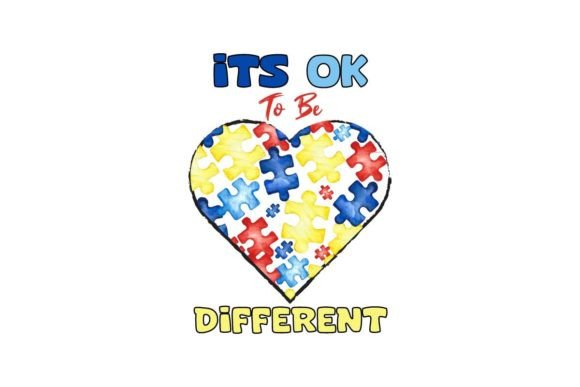
The moment you open the file for the World Autism Awareness Day Heart Graphic, the mood is unmistakable. It strikes a delicate balance between warmth and advocacy. Unlike generic clipart that can feel sterile or overly commercial, this illustration carries an emotional weight suitable for campaigns focused on empathy, inclusion, and awareness. For brand owners looking to communicate values rather than just sell products, this asset provides an immediate emotional hook. It feels versatile enough to work in casual lifestyle content yet polished enough for more formal editorial layouts. The simplicity of the heart shape ensures it does not overwhelm the viewer, making it an excellent choice for creating a professional appearance without sacrificing the human connection necessary for cause-related marketing.
Integrating into Real Marketing Workflows
Let’s look at a practical application. Imagine a small business owner preparing a seasonal offer around April to coincide with World Autism Awareness Day. They need to refresh their Instagram feed, update their website header, and perhaps create a limited-run batch of T-Shirt Designs. The World Autism Awareness Day Heart Graphic serves as the perfect central motif. By using this PNG design as the focal point, you can maintain visual consistency across all channels. On social media, it acts as a recognizable badge of support. When applied to packaging design or product labels, it transforms a standard item into a statement piece. This level of consistency builds audience trust, signaling that your brand is committed to the cause beyond just a single post.
In a content marketing context, this graphic elevates blog headers and email banners. Instead of relying on stock photography that might feel disconnected, this custom-style illustration creates a unique brand voice. It works exceptionally well in Canva templates, allowing non-designers to quickly assemble high-quality marketing visuals. Whether you are creating Pinterest pins, Facebook ads, or digital ads, the clean lines of the heart ensure that the message remains clear even when scaled down for mobile screens.
Enhancing Visual Hierarchy and Brand Identity
One of the primary challenges in modern design is maintaining a strong visual hierarchy while incorporating meaningful imagery. The World Autism Awareness Day Heart Graphic excels here because it is distinct yet unobtrusive. When paired with bold sans-serif fonts, it creates a modern, impactful look suitable for event flyers and posters. Conversely, when combined with a script font or handwritten style, it evokes a sense of personal care and community, ideal for handmade products or boutique brands. This flexibility allows the asset to adapt to various brand identities without losing its core meaning.
For those building a comprehensive brand identity, this graphic can serve as a secondary logo element or a decorative brand accent. It helps strengthen recognition by appearing consistently across touchpoints, from lead magnets to media kits. In the crowded landscape of the creative marketplace, having a signature element like this helps your business stand out. It supports marketing goals by ensuring that every piece of content, whether it is a promotional banner or a sticker pack, feels part of a larger, unified narrative.
Strategic Applications for Maximum Impact
To get the most out of this digital product, consider where it fits best within your workflow. It shines as a hero graphic for landing pages dedicated to awareness campaigns. It is also perfect for product launch visuals where you want to highlight a charitable partnership. For content bundles, this heart can be used as a watermark or a decorative corner element in printable designs. Its versatility extends to merchandise; imagine this graphic printed on hoodies, mugs, caps, or stickers. These items become tangible tokens of support, extending your brand's reach into the physical world. The print-ready nature of the file ensures that high-quality output is achievable, which is essential for maintaining professional branding standards.
Navigating Limitations and Design Constraints
While the World Autism Awareness Day Heart Graphic is powerful, it requires thoughtful placement. It should be used carefully in dense information layouts where it might compete with critical text. In formal corporate branding contexts that demand extreme minimalism, the illustrative nature of the heart might feel too emotive unless balanced correctly. Additionally, avoid placing it on low-contrast backgrounds where the details could get lost. If you are designing for very small mobile graphics, test the readability to ensure the heart remains distinct. Always check how the asset pairs with your specific color palette; while the heart is versatile, the surrounding colors will dictate the final emotional tone.
Practical Notes for Brand Designers and Creators
Before integrating this asset into a paid campaign or client work, there are several technical steps to take. First, confirm the commercial license to ensure you have the rights to use it for business branding and selling merchandise. Next, test the design in black and white to see if it holds up in monochrome applications, such as newspaper ads or simple invoices. Place the graphic inside real campaign mockups to visualize how it looks on actual products like T-shirts or tote bags. Compare it against competitor visuals to ensure your approach feels fresh and authentic.
Finally, experiment with typography. See how the heart interacts with serif fonts for a classic feel versus display fonts for a bold statement. Review the spacing and balance to ensure the composition feels intentional. By treating the World Autism Awareness Day Heart Graphic as a strategic tool rather than just a decoration, you can create marketing materials that are not only visually appealing but also deeply meaningful. This approach fosters a stronger connection with your audience and reinforces your brand's commitment to important causes.