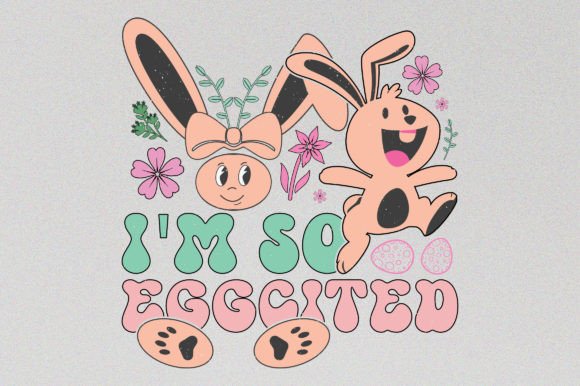
Retro Easter Sublimation T-Shirt Graphic Review
As a designer who has spent years navigating the intersection of digital art and physical thread, I approach every new asset with a critical eye. When I first opened the Retro Easter Sublimation T-Shirt Graphic, my immediate reaction was one of cautious optimism. The listing promises high-quality t-shirt designs, specifically an Illustrator CC EPS 30 file at 2000 px by 2000 px. While the resolution is crisp for screen printing or sublimation, my mind immediately shifted to how this specific aesthetic translates into the tactile world of embroidery. This is not just about pixels; it is about how light catches the thread and how the design sits on fabric.
The Visual Mood and Design Intent
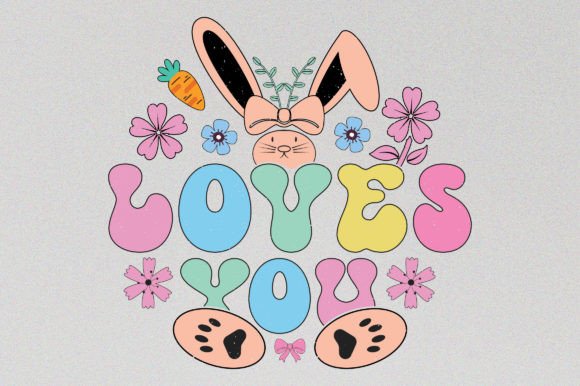
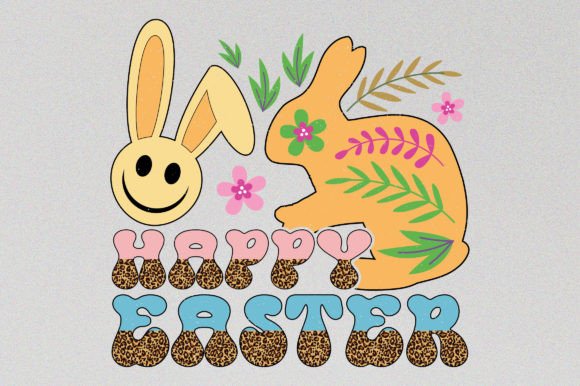
The Retro Easter Sublimation T-Shirt Graphic carries a distinct vintage charm. The shapes are bold, likely utilizing thick outlines and block colors that define the retro style. For an embroidery project, this is a double-edged sword. Bold lines often translate beautifully into satin stitch, creating a clean, professional look that stands out against textured fabrics. However, the "sublimation" tag in the title suggests a gradient-heavy or full-color print origin. In machine embroidery, gradients are notoriously difficult to replicate without losing detail or increasing stitch density to an unmanageable level.
When visualizing this as a machine embroidery design, I see potential for a standout embroidered patch or a large-scale chest logo on a heavy cotton sweatshirt. The layout feels balanced enough to work on a tote bag design, where the flat surface allows the intricate details to breathe. Yet, the question remains: does the digital vector hold up when converted to stitches? A 2000 px square file is substantial, but pixel dimensions do not equal stitch count. Before committing to a commercial run, any serious crafter must open this digital embroidery file in their digitizing software to check the actual stitch paths.
Real-World Application: A Boutique Scenario
Imagine you are an Etsy seller preparing for the spring rush. You have a line of organic cotton aprons intended as personalized gifts for home bakers. You want to use the Retro Easter Sublimation T-Shirt Graphic to add a seasonal touch. The retro vibe fits perfectly with the handmade aesthetic of your brand. However, placing this graphic on an apron introduces challenges. Aprons are often made from medium-weight cotton with a visible weave. If the design relies on fine details common in retro typography, those areas might get lost in the fabric texture unless the stitch density is increased significantly.
In this scenario, I would test the design on a scrap piece of the exact apron fabric first. Using a tear-away stabilizer is crucial here to prevent puckering. If the design features small text or delicate curves, I would consider simplifying the elements or using a running stitch for outlines rather than a dense fill. The goal is to ensure the finished product looks intentional, not muddy. Customers buying these aprons expect a high-quality handmade product. If the embroidery pulls the fabric or obscures the retro charm, the perceived value drops instantly.
Navigating Fabric and Hoop Constraints
One of the most critical aspects of evaluating the Retro Easter Sublimation T-Shirt Graphic is understanding its limitations regarding hoop size and fabric type. While the source file is 2000 px, the actual stitched area depends entirely on how you scale it. If you attempt to shrink this design to fit a small cap or a baby onesie, the retro details will likely collapse. Tiny lettering in retro fonts is a nightmare for fill stitch execution; the threads can bridge gaps, making the text unreadable.
I strongly advise against using this graphic on stretchy fabrics like jersey knit without a robust cutaway stabilizer. The tension required to push the needle through multiple layers of thread can distort the shape of the design, ruining the geometric precision of the retro style. Similarly, dark fabrics present a contrast challenge. If the original design relies on pastel tones typical of Easter themes, they may disappear on black or navy backgrounds unless you incorporate a bright underlay or switch to a lighter thread palette. Always compare your design against both light and dark fabric backgrounds before finalizing your order.
Practical Designer Notes for Success
To truly leverage this asset, follow these practical steps derived from real-world experience:
- Test on Scrap Fabric: Never skip this step. Run the design on the exact material you plan to sell. Check for pulling, shifting, or skipped stitches.
- Review Thread Colors: Retro designs often rely on specific color palettes. Ensure your thread choices match the mood. Muted tones work better for vintage vibes than neon brights.
- Check Stitch Density: Open the file in your software. If the density is too high, the design will feel stiff. Too low, and the fabric shows through, looking cheap.
- Inspect Small Details: Zoom in on the corners and curves. Are there sharp points that will require excessive trimming? Consider rounding them slightly for a smoother finish.
- Verify Licensing: The description mentions getting one Eps File. As a business owner, confirm if this license covers commercial use for custom apparel or if it is restricted to personal projects. Selling items without proper rights can shut down your shop.
- Create Printable Mockups: Use the high-resolution file to create printable mockups for your online store. Show customers exactly how the Retro Easter Sublimation T-Shirt Graphic looks on different products to build trust.
Final Verdict on Commercial Viability
The Retro Easter Sublimation T-Shirt Graphic offers a strong foundation for a craft business looking to capitalize on holiday trends. Its bold aesthetic makes it suitable for sweatshirt embroidery, large tote bags, and decorative pillow covers. However, it requires careful handling. It is not a "download and hoop" solution for beginners working with complex garments. The transition from a sublimation-ready vector to a physical embroidery project demands attention to stabilizer choice, thread selection, and scaling.
For the experienced decorator, this graphic is a valuable addition to your library of design assets. It brings a nostalgic energy that resonates well with modern consumers seeking unique, personalized items. Whether you are creating a holiday gift for a client or stocking your boutique shelves, the key lies in execution. By respecting the technical requirements of the machine and the fabric, you can transform this digital file into a tangible, high-quality finished product that elevates your brand. Remember, the best T-Shirt Designs and Graphics are those that survive the journey from screen to stitch without losing their soul.